
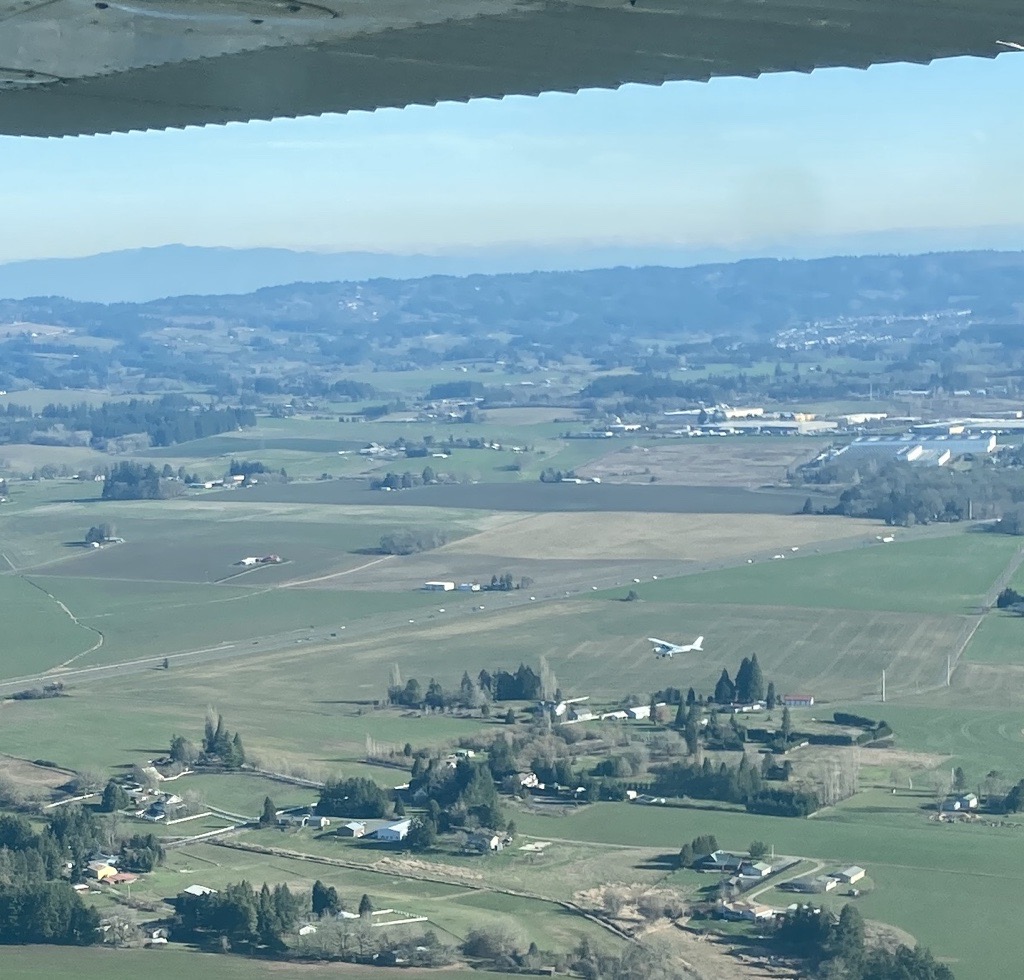
While in flight, you’ll be on the radio with either a “practice area” frequency, an ATC in-route
When you want to practice maneuvers, listening on the radio for traffic can assist you in see-and-avoid! Some areas have specific air-to-air frequencies (in some alert areas). Other times, there is no frequency published! In this case, the best thing is to use the Apr/Dept. or Center frequency. . .
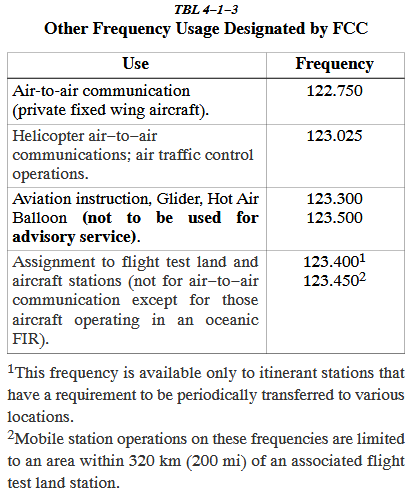
Air-to-air
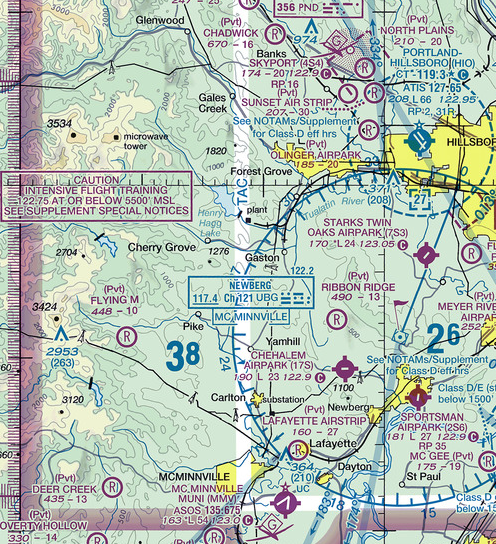
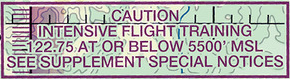
When maneuvering in an alert area, you may find a designated frequency to use in that area. In this example, the “west practice area” of Hillsboro, OR, is designated as 122.75 (the national air-to-air frequency).
You will use this frequency to report your position and coordinate traffic avoidance with aircraft in the area.
Monitoring center
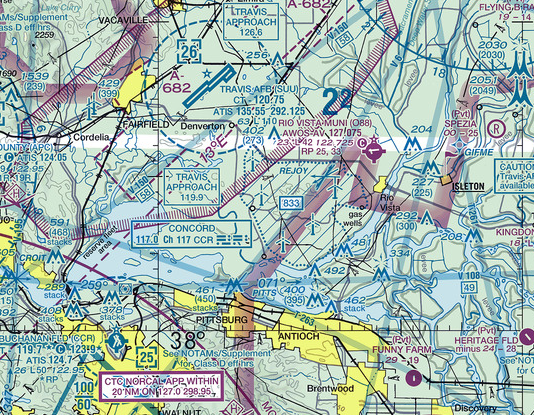
When maneuvering most-anywhere else, a good practice is to just listen to the local approach or center control frequency. In this example; if you wanted to practice maneuvers nearby Rio Vista Airport (O88), you would probably want to monitor Travis Approach on 119.9.
If we wanted to do some maneuvers inside the MOA, it would be a wise idea to get flight following! You can get flight following even if you’re just doing maneuvers. You could say. . .
“Travis Approach, Skyhawk 123 request radar services, VFR maneuvers south of Travis Airforce Base.”
Travis approach will respond with giving you a squawk code, or could tell you radar services are unavailable (controller is too busy).
Air-to-air Example 1
While in the “WPA” (West Practice Area) of Hillsboro Airport, you hear a pilot say. . .
Transcript
Traffic:
“West practice area Cessna 836 3,000, over Banks, southbound. West practice area”
Interpretation
This is a textbook example of a air-to-air position call.
“Cessna 836” -> N49836 is not required, this is a more casual setting, and there are no similar sounding callsigns on frequency. We save time by simply refering to ourselves by the last 3 letter of our tailnumber.
“3,000” -> just “3,000” feet is assumed, and not required.
“Over Banks” -> usually location can be rounded within a couple miles, even if we’re 1 mile west, that level of precision is not usually important. (If you are very close to other traffic, then it is very important! but most often, “one-mile-west” wastes radio-time).
“southbound” -> even if you’re heading 150, you can simplify your call to just southbound
Air-to-air Example 2
Transcript
“West Practice, 714XX, 7,000 over Hagg Lake doing, uh, stalls. West Practice.”
Interpretation
This is a textbook example of a radio call!
Air-to-air Example 3
Transcript
Traffic:
“uh west practice area, Cessna 48286 one mile north of Chehalis [meant to say Chahalem] 2,700 feet steep turns, northbound”
Interpretation
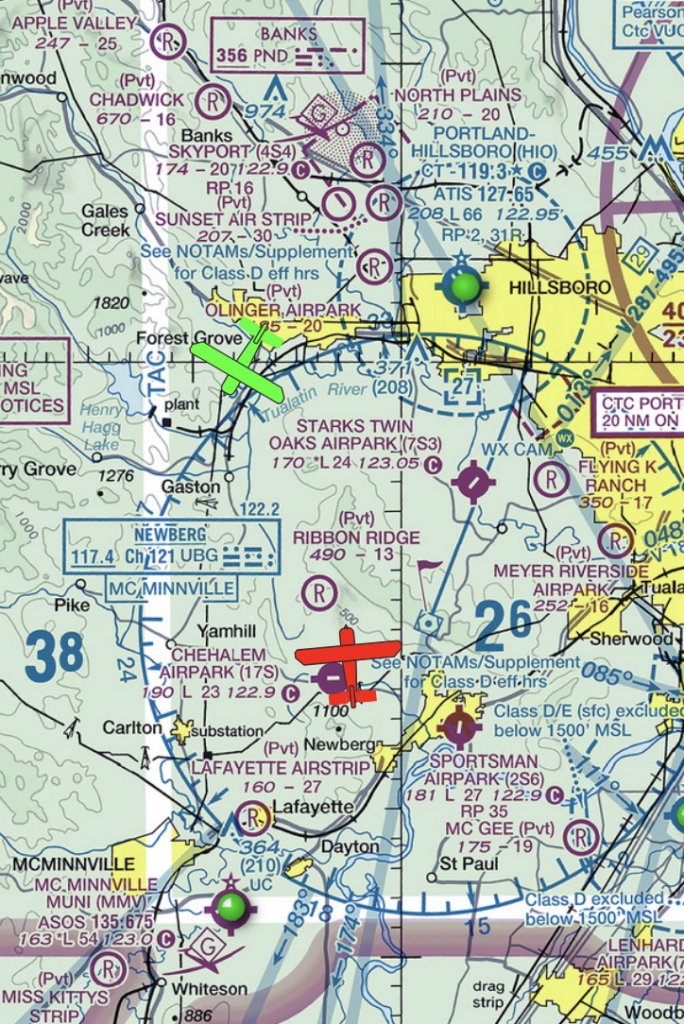
Green = YOU
Red = Traffic
“Steep turns” -> is particularly helpful to know if we plan to fly nearby this traffic. On our ADSB-IN traffic display, we might see them turn suddenly towards us. Initially you might be concerned, but it may be OK.
HOWEVER, if we were following behind this traffic, then we would be concerned, because we could catch up to them while they’re turning.
Air-to-air Example 4
Transcript
“West Practice area, 00Q 1 mile north of Gaston. 1,000. Ground reference maneuvers. West practice.”
Interpretation
This is a textbook example of a radio call!
Note: when announcing ground reference maneuvers, it is unnecessary to also announce altitude (Ground reference maneuvers are by definition, 600-1000 AGL)
Air-to-air Example 5
Transcript
“–757JX 2,400 climbing 2,500 uh over– uh, 1 mile east of Turning Tree we are entering practice area. West practice area.”
In response, 836 says…
“West Practice Area, Cessna 836 we’ve got 7JX in sight, 3,000 couple miles south of banks we’re going to turn north to stay out of your way.”
Interpretation
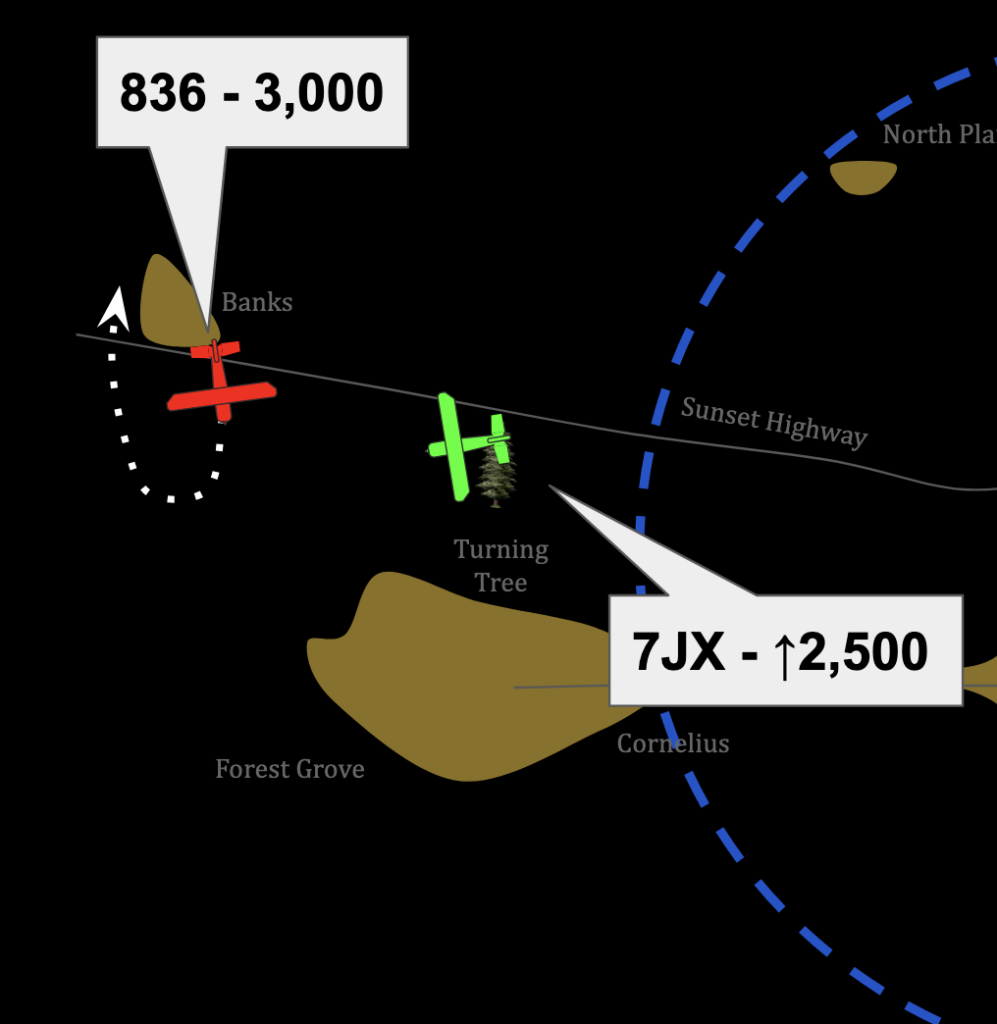
Air-to-air Example 6
Transcript
“West Practice area, 824, couple miles — uh, over gaston 2,000 Northbound, lookin’ out for 7GS. Are you guys goin’ back to Hillsboro?”
“707GS, Um. we are just doing some level turns and descents, so thats why our track looks kinda crazy. And we’re at 1,850 right now. Southbound”
“Cool stuff. Got you in sight, we’re gonna go to Hillsboro, seeya”
Interpretation
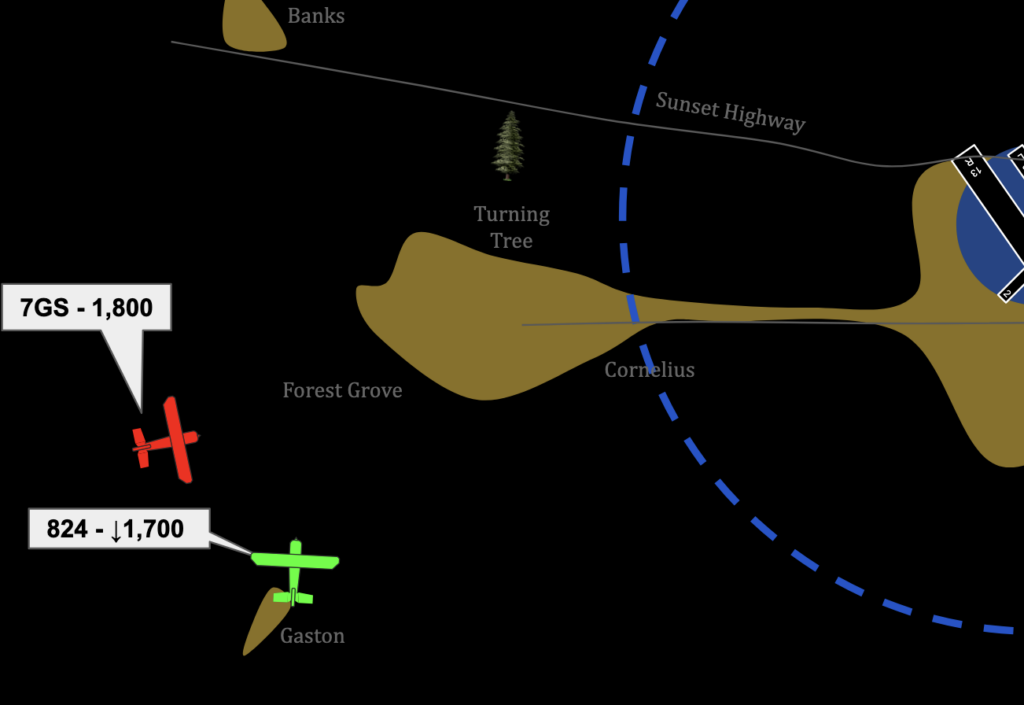
When you are unsure of traffic intentions, but they are blocking your desired flightpath, you can ask them what they are doing. This exchange is an example of how you can ask, and respond if you get asked!
Air-to-air Example 7
Transcript
“25L… You up?”
Interpretation
When you don’t know what to ask, but you see traffic that is flying erratically nearby you. You can ask if they are on frequency by saying “are you up? –> or “you up?”
When they respond, you can mention you’re looking out for them / you will avoid them by flying north/s/e/w… etc.
imagine YOU are 25L, and you HEAR someone say this radio call on 122.75. A good way to respond is with a position call!
Air-to-air Example 7
Transcript
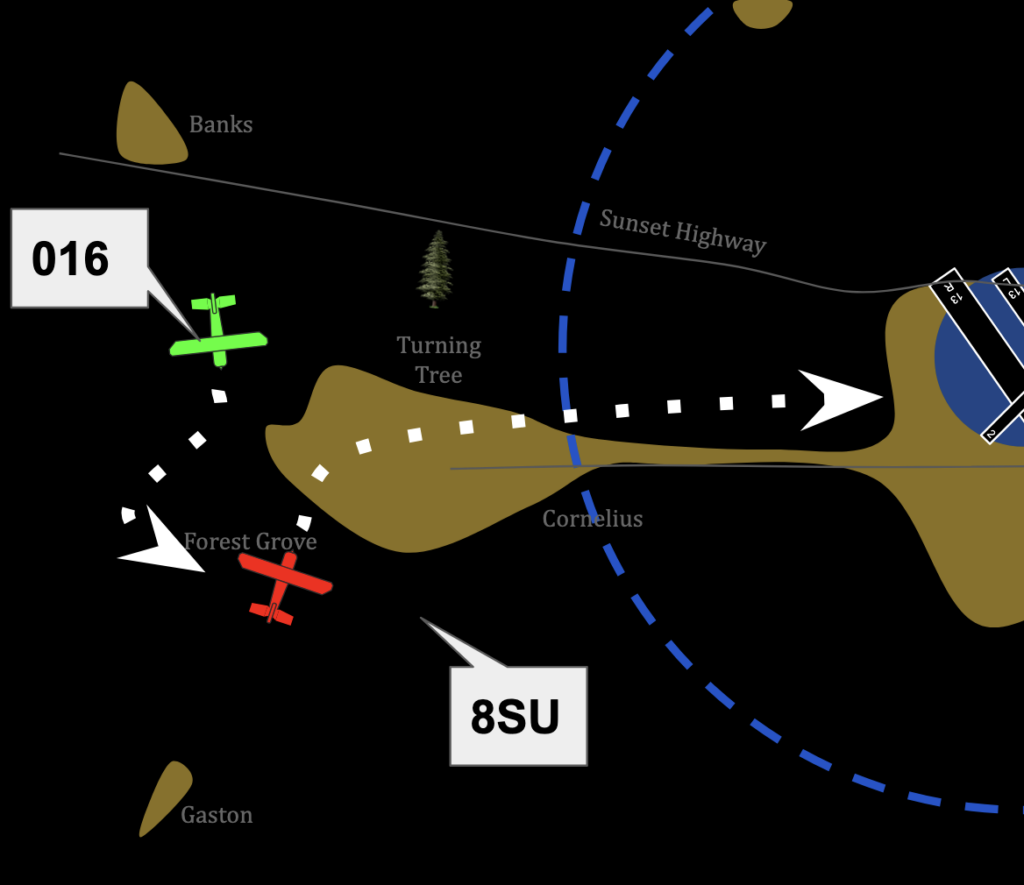
“8SU are you guys headin’ back you Hillsboro?”
“yes we are, we have.. [uninteligble]…. 8SU.”
“[we will]–position ourselves behind you, 69106”
Interpretation
Air-to-air Example 7
Transcript
“25L… You up?”
SEPERATE SCENARIO:
“6400Q, 69016, say intentions.”
Interpretation
When you don’t know what to ask, but you see traffic that is flying erratically nearby you. You can ask if they are on frequency by saying “are you up? –> or “you up?”
When they respond, you can mention you’re looking out for them / you will avoid them by flying north/s/e/w… etc.
imagine YOU are 25L, and you HEAR someone say this radio call on 122.75. A good way to respond is with a position call!